
How renewable energy, advanced cooling and water stewardship can support the next generation of data centres
Global demand for data centres is rising rapidly as artificial intelligence (AI), cloud services and the wider digital economy require more computing capacity. The sector now has to build larger, more advanced, and energy-efficient digital infrastructure.
Meeting this demand requires operators to manage scarce resources such as power and water carefully, while leveraging new technology in the design and maintenance of these critical assets.
Tapping cleaner energy
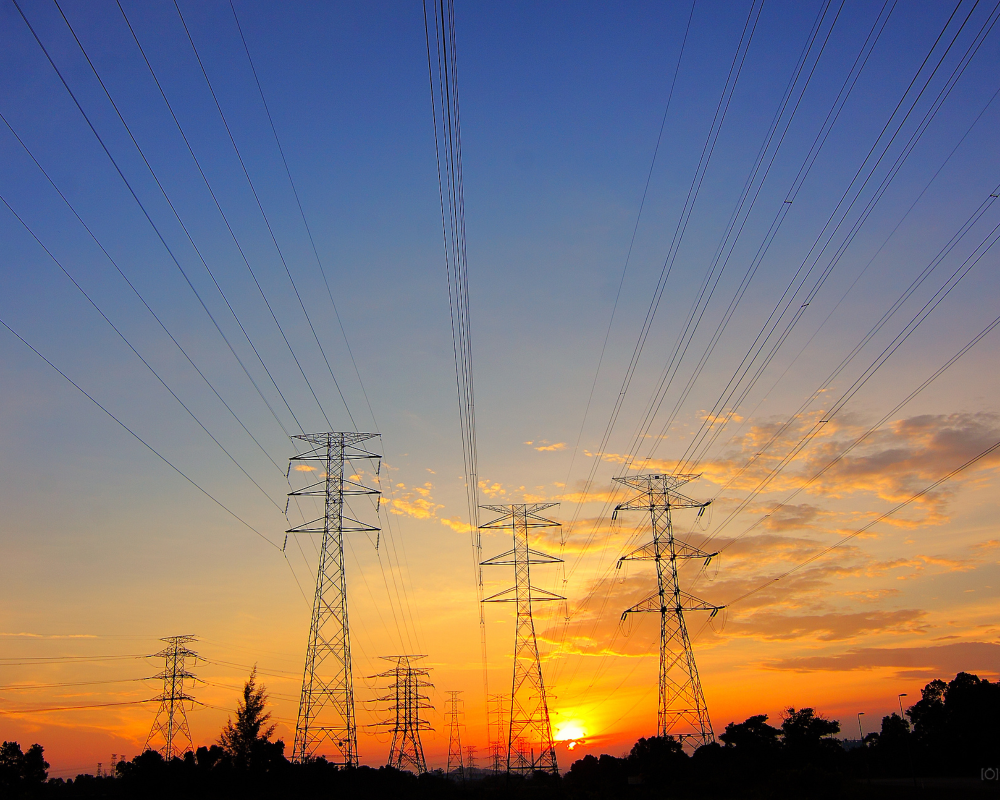
Data centres require a steady and reliable supply of power to operate around the clock.
According to the International Energy Agency, data centres accounted for approximately 1.5% of global electricity consumption in 2024 — a figure projected to double by 2030 as AI adoption accelerates.
This trajectory has alerted operators and policymakers to the sustainability challenges of scaling digital infrastructures.
In Malaysia, the government has introduced the Corporate Renewable Energy Supply Scheme (CRESS), which enables companies to procure renewable electricity directly from green energy developers.
Under CRESS, developers utilise the existing national grid infrastructure to deliver power to corporate facilities, including data centres. CRESS not only reduces the need for dedicated private transmission lines, but also provides data centres with easier access to cleaner energy such as solar power, through long-term power purchase agreements with local renewable utility providers.
Reliable backup power
Backup power is critical to data centre resilience. If the grid is disrupted, generators and energy-storage systems must respond quickly and reliably to keep digital services running.
Hydrotreated Vegetable Oil (HVO) has emerged as a low-carbon alternative to conventional diesel for data-centre backup power Produced entirely from waste-based feedstock such as recycled cooking oils and animal fats, HVO can significantly reduce greenhouse gas emissions by up to 90% compared to diesel without requiring modifications to existing backup power system generators.
Innovative solutions
Another promising low-carbon alternative to traditional fossil fuels is hydrogen. The direct combustion of hydrogen with oxygen yields energy with considerably cleaner emissions, mainly in the form of water vapour.
In Singapore, the government has identified hydrogen and its derivatives as a key potential pathway under its National Hydrogen Strategy. This energy transition is particularly critical for the digital infrastructure sector in Singapore, where strict land constraints and tightly managed energy resources have led some data centre operators to explore innovative offshore solutions, such as modular floating hydrogen power generation systems.
The modular design of floating infrastructures further offers scalability advantages, enabling additional hydrogen generation units to be deployed quickly to meet future demand growth.
Smarter cooling

As AI adoption accelerates, data centres must also handle significantly higher power densities with innovative cooling methods.
Inside a data centre, servers sit in racks packed with data-processing hardware that that generate heat continuously – heat that must be quickly dissipated to keep the servers running safely.
Conventional data centres have traditionally relied on chilled air to draw heat away from the racks. However, AI workloads pack far more processing power and heat within the same physical space. The increasing need for faster cooling methods has steered the industry towards liquid cooling, where coolants are brought into direct contact with the chips themselves.
Liquid cooling can improve the overall energy efficiency of data centre facilities, which is measured through Power Usage Effectiveness (PUE). PUE acts as a benchmark that compares the total electricity consumed by a facility against the power used to run the servers.
Data centres fitted with advanced liquid-cooled technologies can achieve PUE scores of 1.2 or below. In Germany, regulators now mandate a PUE of 1.2 or lower for new data centre builds.
Water stewardship
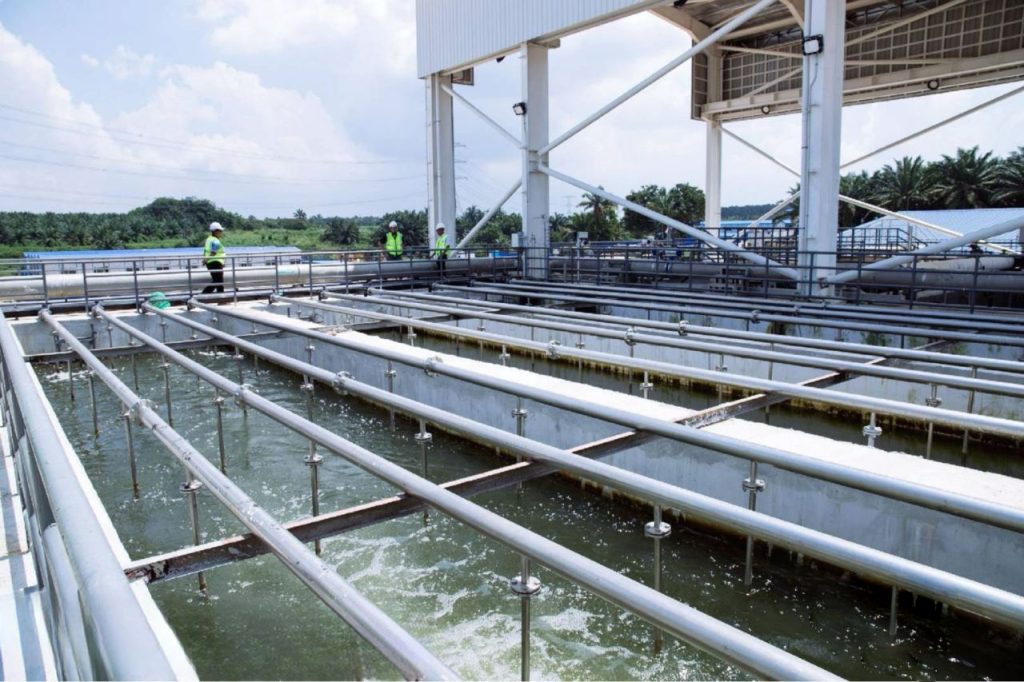
Effluent is converted into high-grade water for cooling purposes at Bridge Data Centres’ Water Treatment Plant situated at its upcoming MY07 campus in Johor, Malaysia.
Water is another key resource drawn on for data centre cooling, particularly in warmer climates where cooling demand tends to be higher.
Operators who can tap water technology solutions stand to gain a real advantage, from lower operating costs tied to water procurement and discharge, to a stronger position in regions where water resources are already under strain.
As demand for data centres grows, this is turning operators toward innovative solutions such as converting treated effluent into high-grade water for cooling, reducing reliance on potable supply and relieving pressure on the municipal systems that surrounding communities also depend on.
Building for the future
Across the region, data centre operators are working to expand capacity while managing the resources this growth depends on. How well this balance is struck – through cleaner energy, smarter cooling and careful water stewardship – will shape the industry’s environmental footprint for years to come.
Find more about BDC’s innovative solutions to power next-generation data centres here.